
Every homeowner runs into plumbing problems sooner or later — from a dripping faucet to a stubbornly clogged drain. The big question is: can you handle it yourself, or should you call in a professional?
At Blue Collar Plumbing and Heating, we believe in helping our customers make smart, stress-free decisions when it comes to their plumbing. Here’s a simple guide to help you decide when a DIY fix is safe — and when it’s best to leave it to the pros.
DIY? ✔️ Sometimes.
If your faucet is dripping, the issue could be as simple as a worn-out washer or loose fitting, which you can often replace with a wrench and a little know-how.
Call the Pros? 🚨
If the leak persists after tightening or replacing parts, or if you suspect corrosion or a deeper valve problem, it’s time to let a licensed plumber take over. Ignoring it can lead to water waste and bigger repair bills down the road.
DIY? ✔️ Usually (at first).
For minor clogs, a plunger or a safe, non-corrosive drain cleaner can often clear the blockage. Hair catchers and regular maintenance can also prevent future issues.
Call the Pros? 🚨
If the clog keeps coming back, affects multiple drains at once, or causes water to back up into sinks or tubs — call the pros. These are signs of a deeper issue, like a blocked main line or broken pipe, which needs professional equipment and expertise.
DIY? ✔️ Sometimes.
Check your water heater’s settings and circuit breaker first — sometimes the fix is as simple as flipping a switch or relighting a pilot light (for gas units).
Call the Pros? 🚨
If your water heater is leaking, making strange noises, or still isn’t producing hot water after troubleshooting, you’ll want a professional diagnosis. Water heater repairs can involve pressure systems and gas lines — both serious safety concerns for DIYers.
DIY? ✔️ Often.
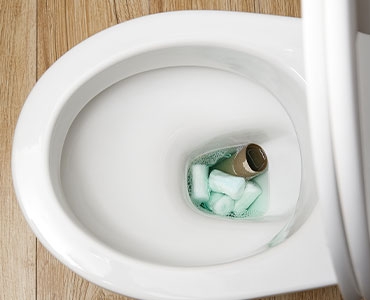
A constantly running toilet is frequently caused by a flapper seal that’s not closing properly or an issue with the float — both are quick, inexpensive fixes you can often handle yourself.
Call the Pros? 🚨
If you’ve replaced the flapper and adjusted the float but the toilet still runs, or if you notice leaks at the base, it’s time for a professional to take a closer look.
DIY? 🚫 Don’t risk it.
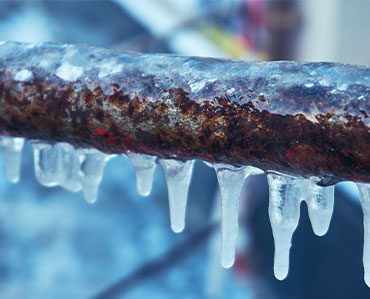
A burst or frozen pipe is an urgent problem. Shut off your water immediately to prevent further damage and call a plumber right away. Professional repairs will not only fix the break but ensure your plumbing is protected from future freezes.
While some plumbing fixes are perfect weekend DIY projects, others can cause more harm than good if handled incorrectly. When you’re unsure, it’s always better to call a trusted professional for peace of mind.
At Blue Collar Plumbing and Heating, we’re here to help — whether you need advice, a repair, or a full inspection. Don’t gamble with your home’s plumbing; give us a call and we’ll make sure the job’s done right.
Need a hand? Contact Blue Collar Plumbing and Heating today for fast, reliable service you can trust!
When winter rolls in, it’s not just your thermostat that needs attention — your home’s plumbing does too. Frozen pipes are one of the most common (and costly) cold-weather disasters homeowners face, but the good news is: with a little preparation, you can avoid the mess and expense.
At Blue Collar Plumbing and Heating, we’ve seen firsthand how winter can wreak havoc on unprotected pipes. Here are a few simple, effective ways to help safeguard your plumbing before the deep freeze sets in:
Pipes in unheated areas like basements, attics, crawl spaces, and garages are most at risk when temperatures drop. Use pipe insulation sleeves, heat tape, or foam pipe wrap to give them extra protection against the cold. This small investment can prevent the costly damage of burst pipes.
Cold air sneaking into your home can cause nearby pipes to freeze — even if your heating system is running. Check around windows, doors, and where pipes enter the walls. Sealing these gaps with caulk or insulation can make a big difference for both your pipes and your heating bill.
When extremely cold weather is in the forecast, leave your faucets on a slight drip — especially those connected to exposed pipes or running along exterior walls. Moving water is much less likely to freeze, reducing the risk of pressure buildup and pipe bursts.
Pipes located under kitchen and bathroom sinks are often out of sight — and out of mind — but can freeze quickly in cold snaps. Open cabinet doors to allow warm air to circulate around the plumbing, especially overnight when temperatures typically drop.
In case the worst happens and a pipe does freeze or burst, knowing how to shut off your home’s water supply can minimize damage and give you time to call in professional help. Make sure everyone in your household knows where the shut-off valve is located.
A little preparation can go a long way toward avoiding a winter plumbing disaster. If you want help winterizing your home or if you’re already facing a frozen pipe scare, Blue Collar Plumbing and Heating is just a call away.
Our experienced team is ready to help you protect your home — and your wallet — from the cold.
Need help winter-proofing your plumbing? Contact Blue Collar Plumbing and Heating today for expert service and peace of mind all season long.